
Johns Hopkins courses are known for their rigor, depth, and pace. Many students find that the study habits and time-management strategies that worked well in high school or previous academic settings need to be adjusted in order to succeed at Hopkins. Thriving here often requires a more intentional approach to learning—one that emphasizes planning, reflection, and using evidence-based study strategies.
Success at JHU is not about doing everything on your own. It’s about learning how to work smarter, manage your time effectively, and take advantage of the many academic resources available to you. The university offers a wide range of support services designed to help you build strong academic skills, navigate challenging coursework, and stay balanced throughout the semester.
We encourage you to explore the resources below and use them proactively as part of your academic toolkit. Engaging with these supports early and often can help position you for both short-term success in your courses and long-term growth as a learner.
General Time Management
- Plan Your Semester: A guided tool to help you map out major academic commitments, deadlines, and priorities across the semester so you can plan proactively and avoid last-minute stress.
- Plan Your Week: A practical worksheet for organizing your week, allocating study time intentionally, and balancing classes, assignments, and co-curricular commitments.
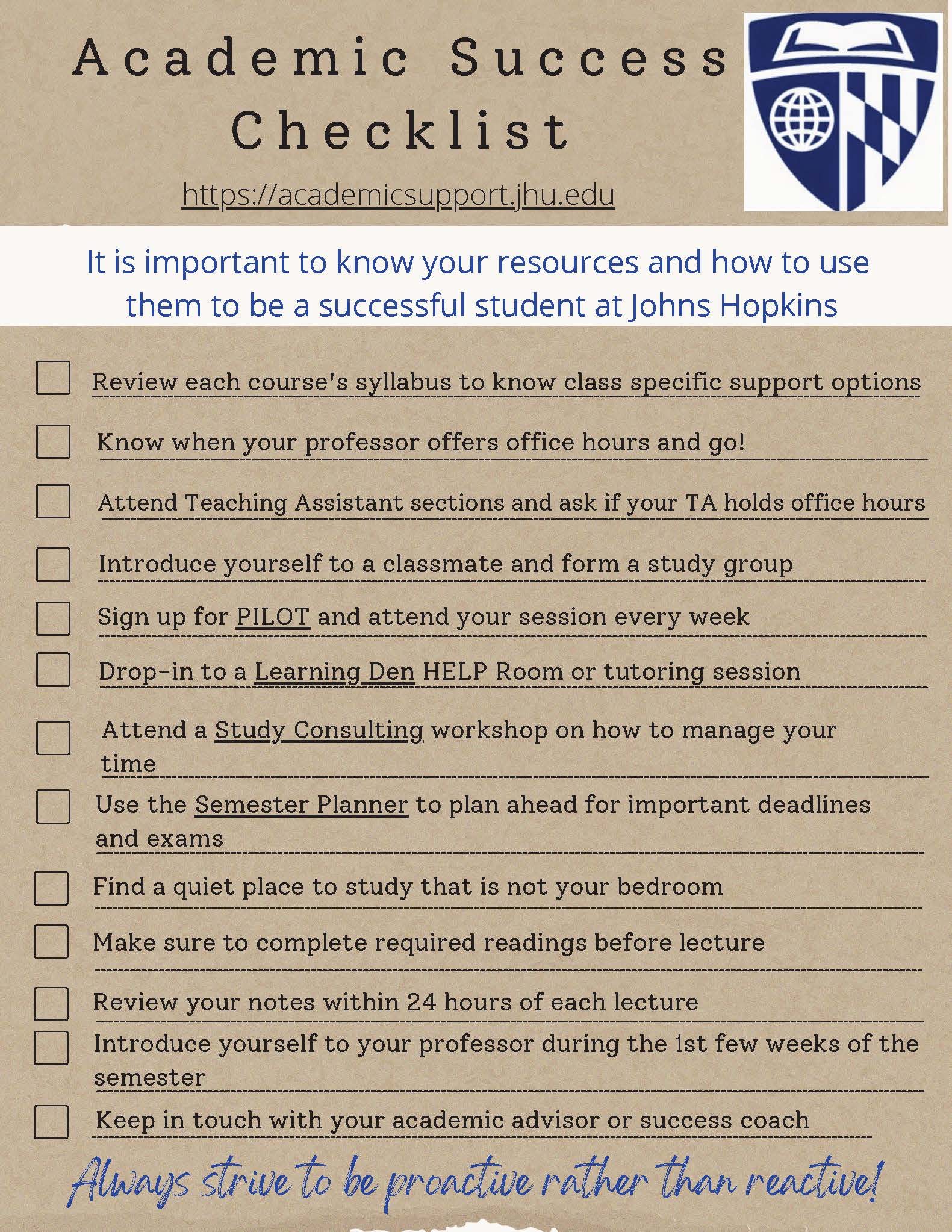
- Academic Success Checklist: A self-assessment checklist designed to help you evaluate your study habits, time management, and use of academic resources throughout the semester.
Get the Most from Your OAS Session
- Come Prepared: Arriving prepared helps you make the most of your time. Bring relevant materials—such as notes, assignments, practice problems, or questions—so your session can focus on your specific needs and challenges.
- Come in with Goals: Having clear goals gives your session direction and purpose. Whether you want to review a concept, practice problem-solving, or plan your study approach, sharing your goals helps your tutor or consultant tailor the session to you.
- Be Engaged: Active participation is key to learning. Ask questions, work through problems, take notes, and explain your thinking—engagement helps reinforce concepts and builds confidence.
- Follow Up: Academic support is most effective when you apply what you learned afterward. Review your notes, practice independently, and use the strategies discussed in your session to strengthen your understanding over time.
- Communication is Key: Open communication leads to better outcomes. Be honest with your tutor or session leader about what is working, what is confusing, and how you learn best. You are also encouraged to reach out to the professional staff who oversee these programs if you have questions, concerns, or need additional support.
Hopkins Resources
- The Writing Center: The JHU Writing Center can help you become a stronger college writer at any skill level. One-on-one meetings with their writing tutors are especially valuable—they will work with any writing assignment you bring in, including scientific and technical writing. You can also workshop personal statements, cover letters, and medical or graduate school application essays. If writing matters in your course (and it does), scheduling a meeting is one of the smartest steps you can take.
- Research Consultations with a Librarian: The Library is more than just a place to study—it’s home to experts who can dramatically improve how you research. Meeting with a librarian gives you personalized guidance on navigating scholarly literature, databases, and advanced research tools. If you haven’t had a research consultation yet, you’re missing out on a crucial academic skill. Take the time to schedule one this semester—it pays off in every major and every course.
- The Life Design Lab: The JHU Life Design Lab is designed to support you at every stage of your time at Hopkins, and it all starts with a meeting. Whether you’re exploring internships in your early years or preparing to enter the job market as a senior or graduate student, Life Design educators can guide you through the process. From refining your résumé and cover letter to building your professional network with JHU alumni and preparing for career fairs, these resources are one conversation away.